
The Matcha Shortage, Explained (And How to Buy Smart)
Prices are up 4x, demand is up 8x, and your favorite café is rationing lattes. Here's what's actually worth paying for.
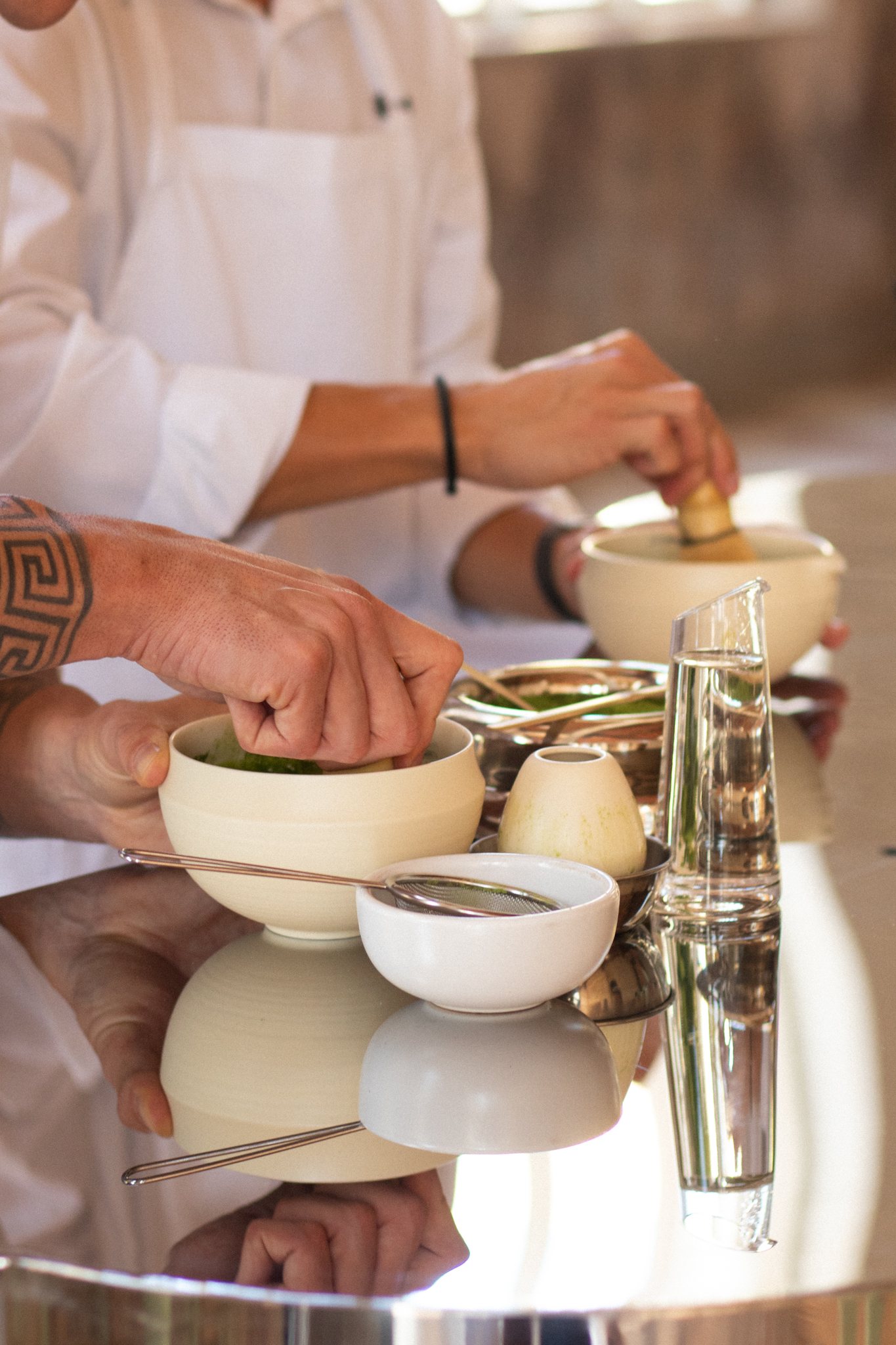
Matcha Preparation
Somewhere between the third TikTok whisking tutorial and the fourth sold-out restock email, matcha stopped being a beverage and became a bit. A flex. A green flag you can drink. And now the whole category is buckling under its own hype.
The shortage is real, not manufactured scarcity marketing. Japan's ceremonial-grade matcha comes from a small number of aging tencha farms, mostly in Uji and Nishio, where the shading, hand-harvesting, and stone-grinding process is slow by design and impossible to scale overnight. Meanwhile the rest of the world discovered matcha lattes at the exact same moment.
That last stat is the one nobody's selling you. Most of what's labeled matcha worldwide is culinary-grade, made from lower, coarser leaves grown in full sun. It's fine for baking and lattes. It is not the pale-green, umami-forward, borderline-savory stuff sipped straight in a chawan. Ceremonial-grade is a specific harvest, specific shading period, specific stone-milling — and there's only so much of it to go around.
So when your favorite café caps daily matcha orders, that's not scarcity theater. It's math.
Worth It
- First-flush ceremonial matcha for drinking straight
- Small-batch sourcing you can trace
- Buying only what you'll use in 4-6 weeks
Hype
- Stockpiling tins 'before prices go up more'
- Ceremonial-grade in a blended iced latte
- Believing the tin color or price alone signals quality
Here's the part that should change how you shop: matcha is not wine. It doesn't age well, it oxidizes fast, and that gorgeous jade color fades to a dull olive within weeks of opening if it's not sealed and refrigerated. The stockpiling instinct — buy six tins now, ration them like toilet paper in 2020 — actually wrecks the thing you're trying to protect. You end up hoarding brown matcha and calling it self-care.
Buying more matcha than you'll drink in a month isn't wellness. It's a pantry problem with better lighting.
The status-symbol thing is worth naming plainly, because everyone in this audience already knows it's happening. The tin on your counter is doing work your Pilates reformer used to do alone — it's a signal. Fine. Own it. Just make sure the signal is backed by something real: provenance, freshness, an actual palate for the difference between grassy and vegetal and bitter. We've watched matcha bars quietly outpace the champagne table at our own WellUp activations this year, and the guests who know what they're drinking are never the ones asking for extra vanilla syrup.
- Look for harvest date, not just 'best by' — first flush (April-May) is the good stuff
- Buy ceremonial-grade only if you're drinking it straight, whisked, no additives
- Choose culinary-grade for lattes, baking, or anything mixed with milk or sugar
- Store in an airtight tin, away from light and heat, ideally refrigerated after opening
- Buy small quantities often instead of one large tin — freshness beats bulk
- Be wary of unusually cheap 'ceremonial' matcha; the economics don't support it right now
The shortage will ease eventually — new tencha fields take years to mature, but they're being planted. Until then, the smartest move isn't hoarding or panic-buying whatever's in stock. It's buying less, buying better, and actually finishing the tin before it turns the color of a gas station lawn. That's not restraint. That's just how you drink good matcha.
Curated by Wellup™
Work with Us